PSCI 2025 Annual Report: An Interpretation of Pharmaceutical Supply Chain Compliance
Time: 2026-09-20 17:00:26
Author: Openview Service Limited
Click:
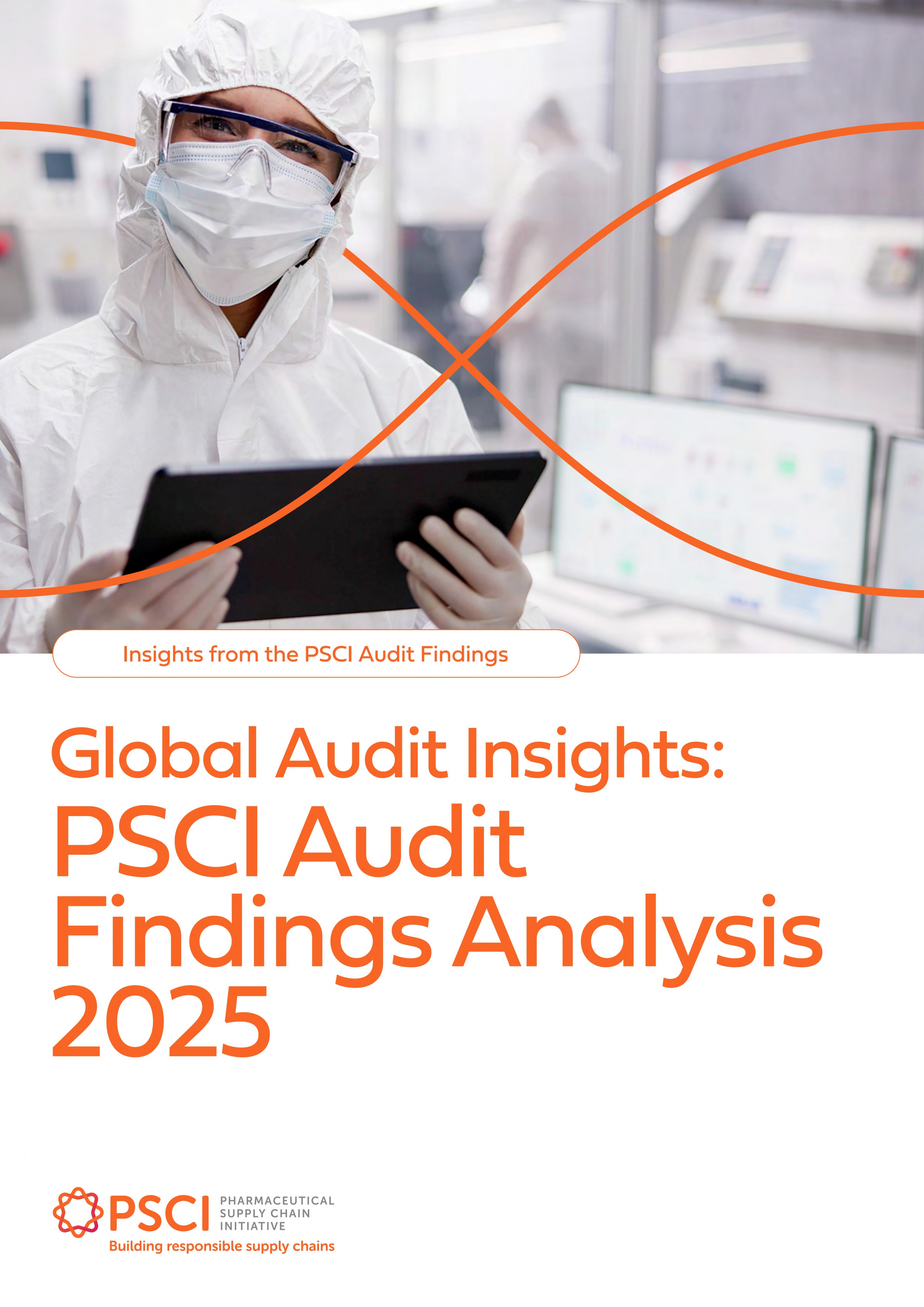
The Pharmaceutical Supply Chain Initiative (PSCI) has recently released its annual report, Global Audit Insights: PSCI Audit Findings Analysis 2025. Based on 243 audits uploaded to the PSCI platform in 2025, the report identified 2,596 compliance findings, offering a comprehensive review and in-depth analysis of supplier practices across the global pharmaceutical and healthcare supply chain. This article summarizes the report's key findings and major trends.
I. Overview of Key Data
Auditors identified a total of 2,596 findings across PSCI's five core principles, averaging approximately 11 findings per audit.
Distribution of Findings by Principle:

I. Overview of Key Data
Auditors identified a total of 2,596 findings across PSCI's five core principles, averaging approximately 11 findings per audit.
Distribution of Findings by Principle:
Key Signal: Health & Safety continues to account for the majority of findings (58%),underscoring its critical importance in the pharmaceutical supply chain. Meanwhile, the share of Environment-related findings surged from 11% to 17% — nearly doubling — reflecting a rapidly shifting audit focus toward environmental practices.
II. Trend Outlook and Action Recommendations
Health & Safety remains the dominant area for findings. This reflects auditors' sustained and rigorous focus on issues that are core to business operations and potentially life-threatening.
Environmental issues are gaining momentum at an accelerating pace. Environment-related findings nearly doubled (from 221 to 435), with waste and emissions being the largest sub-category — reflecting a clear shift in audit priorities toward environmental practices. Suppliers should accelerate the establishment of robust hazardous waste management systems, conduct risk assessments, and refine greenhouse gas target-setting.
Findings related to Governance & Management Systems and Human Rights have declined. This suggests that audit attention has shifted somewhat toward issues such as hazardous waste management, supplier qualification, and risk assessments for active pharmaceutical ingredient (API) emissions.
High severity in labor practices: Within the Human Rights section, although the number of findings related to wages, benefits, and working hours is relatively low, the severity of findings concerning labor practices (overtime, wages, and benefits) and process safety management systems remains high. Suppliers should establish sound working-hour management systems, ensure compliant wage payments, and strengthen process hazard analysis frameworks.
Conclusion
The PSCI 2025 Annual Report provides a clear picture of the current state of compliance across the global pharmaceutical supply chain: Health & Safety remains the top priority, environmental issues are rapidly gaining prominence, and continuous improvement in governance systems and human rights management still requires concerted efforts from all parties. Going forward, companies across the pharmaceutical supply chain must keep pace with evolving audit trends, comprehensively enhance supply chain compliance resilience, and align with emerging global industry compliance standards.

点击右上角
分享给朋友吧







 Long by picture save/share
0

Contact Address
Headquarters Address:
Room 1A05, Building 2, Phase 1, Zhuoyue City, No. 128 Zhongkang Road, Futian District, Shenzhen
Copyright © 2023 Openview Service Limited
